

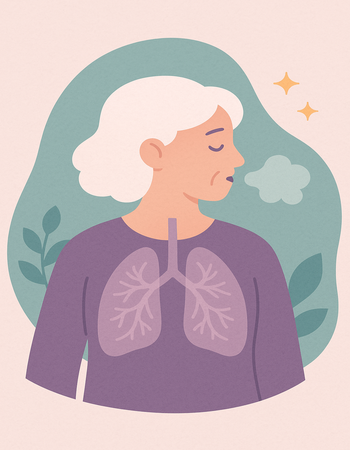
End Stage Lung Disease
In end-stage lung disease, hospice patients typically experience a gradual decline in physical function and an increase in breathlessness, even at rest. Symptoms like fatigue, pain, and psychological distress also become more pronounced. As the disease progresses, patients may experience more frequent exacerbations requiring hospitalization and increased reliance on oxygen therapy, which can, in turn, impact their quality of life.
Here’s a more detailed breakdown of the expected decline:
Physical Decline:
- Progressive Breathlessness:Shortness of breath, even at rest, is a hallmark of end-stage lung disease.
- Reduced Functional Capacity:Difficulty with activities of daily living (ADLs) such as walking, dressing, and eating, increases as the disease progresses.
- Increased Dependence on Oxygen:As lung function worsens, patients may require more oxygen, and even with oxygen, breathlessness may not be adequately controlled.
- Weight Loss and Loss of Appetite:Fatigue and breathlessness can lead to reduced food intake and weight loss.
- Frequent Exacerbations:Lung disease patients may experience more frequent flare-ups requiring hospitalization or emergency room visits.
- Changes in Consciousness:In the late stages, some patients may experience changes in consciousness, such as restlessness or periods of confusion.
Other Symptoms:
- Pain: Pain, particularly chest pain, can become more prevalent and severe.
- Fatigue: Extreme tiredness and weakness are common.
- Psychological Distress: Anxiety and depression are often experienced, particularly as the patient anticipates the end of life.
- Sleep Disturbances: Difficulty sleeping is another common symptom.
Hospice Care:
- Focus on Comfort:Hospice care aims to manage symptoms and improve the quality of life for patients with end-stage lung disease.
- Symptom Management:Hospice teams work to alleviate breathlessness, pain, and other distressing symptoms.
- Emotional and Spiritual Support:Hospice provides emotional and spiritual support for both patients and their families.
- Family Support:Hospice also offers support and education to family members, helping them cope with the challenges of caring for a loved one with a life-limiting illness.
Important Considerations:
- Individual Variability:The rate and pattern of decline can vary significantly among individuals with end-stage lung disease.
- Importance of Early Palliative Care:Initiating palliative care early in the disease process can improve quality of life for both patients and their families.
- Communication is Key:Open communication between patients, families, and healthcare providers is crucial for making informed decisions about care and end-of-life planning.