

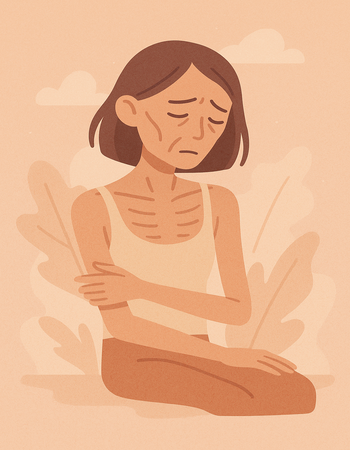
Severe Protein Calorie Malnutrition
At the end of life on hospice, patients with severe protein-calorie malnutrition (PCM) experience a significant decline in various bodily functions due to the lack of adequate nutrition and the overall disease progression. Hospice focuses on providing comfort and managing symptoms, recognizing that aggressive nutritional support may not be beneficial at this stage.
Signs and Symptoms of Decline:
- Decreased Appetite and Intake: Patients naturally lose interest in food and fluids as their body prepares for death, which is a key symptom of PCM. This reduced intake contributes to the decline.
- Weight Loss and Muscle Wasting: Significant and unintentional weight loss, along with muscle wasting, are defining characteristics of severe PCM. This leads to increased weakness and fatigue.
- Increased Fatigue and Weakness: Reduced energy levels and a decrease in physical activity are common due to the lack of nutrients and overall weakness.
- Changes in Responsiveness: As the patient approaches death, their brain receives less blood and oxygen, leading to reduced awareness and interaction with their surroundings, as well as increased sleepiness.
- Altered Breathing Patterns: Breathing can become faster or slower, shallower or deeper, and may include pauses or noises like gurgling.
- Cooling of Extremities: Hands and feet may feel cold and appear pale or mottled as circulation decreases.
- Decreased Urine Output: Kidneys function less efficiently, leading to reduced or absent urine output.
- Skin Changes: Skin may appear pale, gray, yellow, or ashen due to reduced blood flow.
- Increased Susceptibility to Infections: A weakened immune system due to malnutrition makes the patient more vulnerable to infections.
- Mood Changes: Patients may experience irritability, sadness, or depression due to the physical and emotional impact of their condition.
Hospice Care Focus:
Hospice care for patients with severe PCM aims to provide comfort and support, focusing on:
- Symptom Management: Pain control, addressing nausea and vomiting, and ensuring comfort are priorities.
- Nutritional Support (when appropriate): While not forcing intake, providing small, frequent meals and snacks, and offering fluids as tolerated can help comfort the patient. Foods that are high in calories and protein and easy to swallow and digest are often recommended.
- Emotional Support: Providing emotional support and creating a calming environment are crucial for the patient and their family.
- Family Education: Educating families about the natural process of reduced appetite and intake at the end of life can help manage expectations and reduce distress.
Important Considerations:
- Individualized Care: The decline at the end of life can vary from patient to patient, and the hospice team will tailor care to individual needs.
- No Active Force-Feeding: Forcing food or fluids is generally discouraged as it can cause discomfort and complications.
- Honoring Patient's Wishes: Respecting the patient's preferences regarding food and fluid intake is a key aspect of end-of-life care.
Disclaimer: This information is for general knowledge and should not be considered medical advice. It’s essential to consult with healthcare professionals, especially the hospice team, for guidance on managing end-of-life care for someone with severe protein-calorie malnutrition.